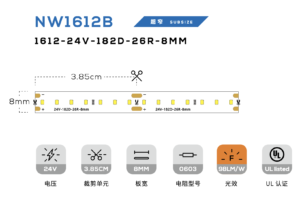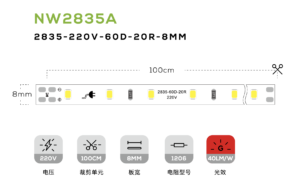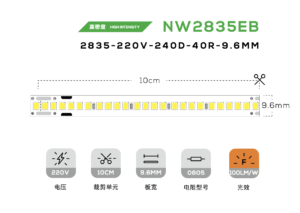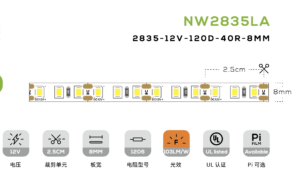
Low Voltage
12V · 24V
Low-Voltage FPCB
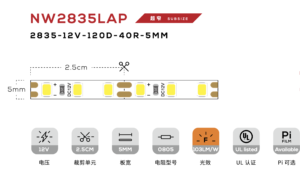
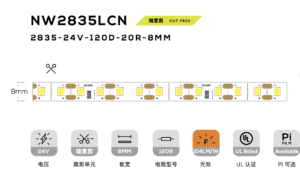
Designed for cabinet lighting, signage, flexible linear lighting and short-run LED strip applications. Standard 12V and 24V configurations with 2835, 5050, COB and subsize packages.
FPCB Engineering Catalogue
NWSIRY organises its FPCB range by voltage class, LED package, LED density, board width, cutting unit, resistor design and copper thickness -- the variables that determine whether a circuit board works for your specific production process.
Engineering selection guide
Each step narrows the field. Start from voltage and work down to copper thickness -- the order matches how LED strip engineers evaluate a circuit board.
Step 01
Voltage class determines resistor configuration, LED string length and safety requirements. Choose first.
Step 02
Package size sets pad layout and pitch. Density (LEDs/m) affects power, heat and the required copper area.
Step 03
Board width must fit your aluminium profile or extrusion. Cutting unit determines where the strip can be divided without damage.
Step 04
Copper thickness determines current-carrying capacity and voltage drop over run length. Under-specified copper causes heat failures in production.
Browse by voltage class
Designed for cabinet lighting, signage, flexible linear lighting and short-run LED strip applications. Standard 12V and 24V configurations with 2835, 5050, COB and subsize packages.
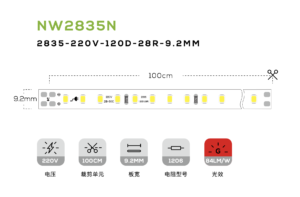
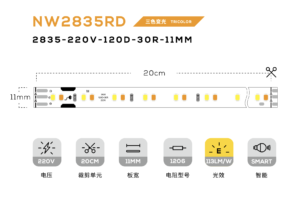
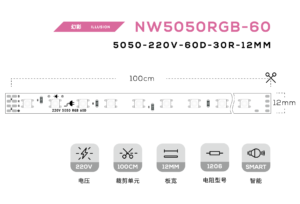
Driver-free long-run LED strip production. Engineered for 110V and 220V AC with precision resistor design, voltage-class routing and safe pad spacing for extended installation lengths.
Special board width, copper thickness, pad design, cutting unit or LED package not covered by standard models. Submit your BOM or target specification for engineering review.
Engineering model selector
Use the step-by-step filters to narrow by voltage, LED package, board width and voltage class. Each filter corresponds to a key engineering variable in your LED strip BOM.
9 products found
Need help choosing between similar models?
Share your target spec and our engineering team will recommend the right FPCB for your production process.
Custom FPCB Engineering
Share any combination of the following and our engineering team will review the complete manufacturing fit -- circuit design, copper thickness, pad layout and downstream production compatibility.
You do not need to provide all fields. A partial specification is enough to start the engineering conversation. Sampling lead time: 7-10 days from confirmed specification.
Request Engineering Review